
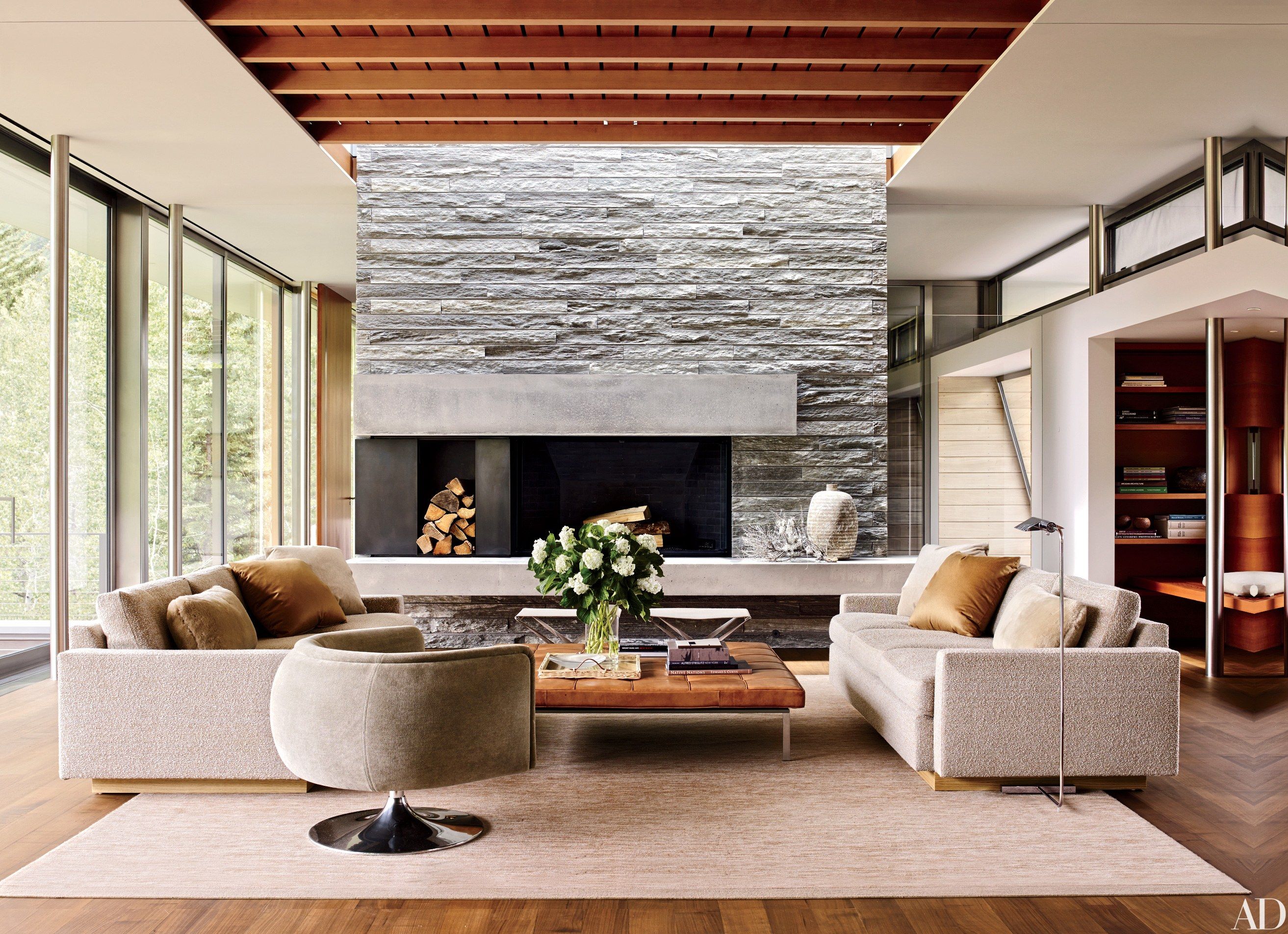
Introduction
A beautiful home that is impractical to live in is just a showroom. A practical home that feels cold and uninspiring is just a box. The real goal of great residential interior design is achieving both: spaces that make you stop and appreciate them the moment you walk in, yet work effortlessly for everyday life.
This balance between elegance and functionality is not a matter of budget alone. It is a matter of deliberate, expert design thinking applied at every stage, from space planning to material selection to the final styling touches.
Whether you are designing your first home, upgrading an existing one, or undertaking a full renovation, this guide will help you plan a residential interior that truly delivers on both counts.
1. Define Your Vision Before You Design
The single biggest mistake homeowners make is jumping straight to aesthetics before defining how they actually want to live in the space.
- Who lives here? A young couple, a family with children, elderly parents, or a mix?
- How do you use each room? Do you work from home, entertain frequently, or need a play area?
- What is your lifestyle tempo? High-maintenance materials may look stunning but become a daily burden in busy homes.
- What emotions should the home evoke? Calm, vibrant, warm, traditional, crisp, or contemporary?
InteriQo Insight: Our design process begins with a detailed lifestyle consultation. Understanding how a family lives is just as important as knowing their aesthetic preferences.
2. Master the Art of Space Planning
Elegant homes look effortless, but that effortlessness comes from precise space planning. Proportions, flow, and zoning are the invisible architecture of a well-designed home.
- Define zones clearly so living, dining, cooking, sleeping, and working areas each have a purpose.
- Ensure comfortable circulation with clear walking space in primary pathways and around furniture.
- Balance visual weight so large furniture pieces do not make the room feel lopsided.
- Account for natural light by positioning seating areas well and planning flexible window treatments.
In Indian homes, maximizing the perceived sense of space is crucial. Thoughtful planning, light palettes, and mirror placement can make compact apartments feel open and airy.
3. Choose a Design Style That Reflects You
Design trends come and go. The most enduring residential interiors are rooted in a personal style that the homeowner genuinely connects with.
| Style | Character | Best For |
|---|---|---|
| Contemporary | Clean lines, neutral tones, minimal clutter | Professionals, minimalists |
| Traditional Indian | Rich textures, warm wood, ornate detailing | Families valuing cultural warmth |
| Transitional | Classic structure with modern finishes | Timeless homes without a dated feel |
| Scandinavian | Light woods, white palettes, cozy textures | Small spaces, functional living |
| Luxury Modern | Premium materials, lighting, custom joinery | High-end residences |
Pick one primary style and use other styles as subtle accents. Blending too many styles equally creates visual chaos instead of curated personality.
4. Get the Foundation Right: Flooring, Walls, and Ceilings
Before furniture enters the picture, the three surfaces that define every room need to be considered together: floors, walls, and ceilings.
Flooring
- Vitrified tiles are durable, easy to clean, heat-resistant, and practical for Indian climates.
- Engineered wood brings warmth to bedrooms and living areas.
- Carpets and rugs add softness and acoustic comfort.
- Continuous flooring across living and dining areas makes spaces feel larger and more cohesive.
Walls
- Textured paint finishes add depth without the cost of heavy cladding.
- Wallpaper, PU panels, fluted wood panels, and fabric wallcoverings can add luxury.
- One well-executed feature wall is more effective than making every wall busy.
Ceilings
- False ceilings with concealed lighting add a finished, luxury feel.
- Vertical wall elements, floor-to-ceiling curtains, and downlighting can make rooms feel taller.
- Coffered and tray ceiling designs add architectural interest in key rooms.
5. Select Furniture That Works Hard and Looks Beautiful
In residential design, furniture is where elegance and functionality must co-exist most visibly. A sofa needs to be stunning and comfortable. A dining table needs to seat the family and still look refined.
- Scale matters more than style because oversized furniture can make a compact room feel cramped.
- Multi-functional pieces earn their place, including storage ottomans, sofa-beds, extendable dining tables, and hydraulic beds.
- Quality over quantity creates a more elegant room than crowded budget alternatives.
- Custom modular furniture delivers a precision fit for awkward corners, niches, and non-standard room sizes.
At InteriQo, modular furniture can be built to exact specifications, including custom sizes, finishes, and configurations.
6. Lighting: The Difference Between Good and Extraordinary
Lighting separates a well-designed home from an extraordinary one. It illuminates tasks, sets the mood, and highlights the best features of a space.
- Ambient lighting creates soft, even illumination across the room.
- Task lighting supports kitchens, study areas, dressing tables, and reading nooks.
- Accent lighting highlights artwork, architectural features, or display shelves.
- Decorative lighting adds statement pendants, chandeliers, and floor lamps.
Use warm white lighting in bedrooms and living areas, neutral white lighting in kitchens and study areas, and dimmers wherever possible.
7. Kitchen Design: The Heart of the Indian Home
No room in an Indian home demands the same marriage of elegance and function as the kitchen. It is a high-intensity workspace and often a social hub.
- The work triangle between the hob, sink, and refrigerator should allow smooth movement.
- Storage strategy should include tall units, deep drawers, pull-out organizers, and dedicated appliance zones.
- Counter height and depth should support comfortable everyday cooking.
- Durable materials are essential for Indian cooking conditions involving heat, oil, and steam.
A well-planned modular kitchen design will outlast and outperform mass-market alternatives.
8. Master Bedroom Design: Sanctuary First, Showroom Second
The master bedroom is where elegance should serve rest and recovery. The best bedroom designs create calm, privacy, and comfort.
- Place the bed on the primary wall with clear access on both sides.
- Use floor-to-ceiling wardrobes to maximize storage without visual clutter.
- Add layered bedding, blackout curtains, and bedside softness.
- Conceal electronics, hide charging cables, and keep surfaces clear.
9. Bathrooms: Small Spaces, Maximum Elegance
Bathrooms can elevate the entire home's feel and add real perceived value when they are finished thoughtfully.
- Large format tiles with minimal grout lines make small bathrooms feel larger.
- Frameless glass shower enclosures look cleaner and more elegant.
- Concealed cisterns and wall-hung sanitaryware free up floor space.
- Built-in niche shelving keeps toiletries organized.
- Statement mirrors with integrated lighting add high impact in a small footprint.
10. Bringing It All Together: The Finishing Touches
Great residential design is ultimately about curation. Accessories, art, plants, and styling transform a constructed interior into a home that feels lived-in and loved.
- Layer textures by combining smooth, rough, soft, and hard surfaces.
- Group decorative objects in threes or fives for natural balance.
- Bring in organic elements like indoor plants, wood, stone, and woven baskets.
- Edit ruthlessly so styled surfaces do not become cluttered surfaces.
Why InteriQo for Your Residential Interior Project?
InteriQo brings expertise from hotels, corporate offices, healthcare facilities, and residential projects across Hyderabad. Our end-to-end capability includes design, custom furniture, flooring, false ceilings, woodwork, electrical, and project management.
Our residential services include:
- Interior design and space planning.
- Custom modular kitchen and wardrobe design.
- Bedroom, living, and dining room interiors.
- False ceiling, flooring, and wall treatments.
- End-to-end project management with transparent budgeting.
Conclusion
Planning a residential interior that is both elegant and functional is achievable, but it requires clear vision, disciplined decisions, and the right expertise through every stage.
The most beautiful homes are the result of a thoughtful process that puts how you live at the center of every design decision.
Residential Interior Design FAQs
How much does residential interior design cost in Hyderabad?
Residential interior design costs in Hyderabad vary based on scope, materials, and customization. A full home interior for a 2BHK typically ranges from Rs. 8 lakhs to Rs. 25 lakhs depending on finishes. Contact InteriQo for a detailed quote tailored to your home.
How long does a full home interior project take?
A typical 2BHK residential interior project takes 45 to 75 days from design approval to handover, depending on custom work, material availability, and site conditions.
What is the difference between modular and semi-modular interiors?
Modular interiors use pre-engineered, factory-made units assembled on-site for cleaner and more consistent execution. Semi-modular interiors combine factory-made carcasses with site-built elements for added customization flexibility.
Create a Home You Will Love Living In
Call +91 7842022216 or email info@interiqo.com to discuss your home interior project.
Request Consultation